






Your Global Partner for Polyurethane Turnkey Projects
From Solvent-Free Synthetic Leather Lines to High-Precision PU Foaming Systems. Backed by 40 years of engineering expertise, we deliver customized production solutions for global manufacturers.
Procurement
03
ABOUT
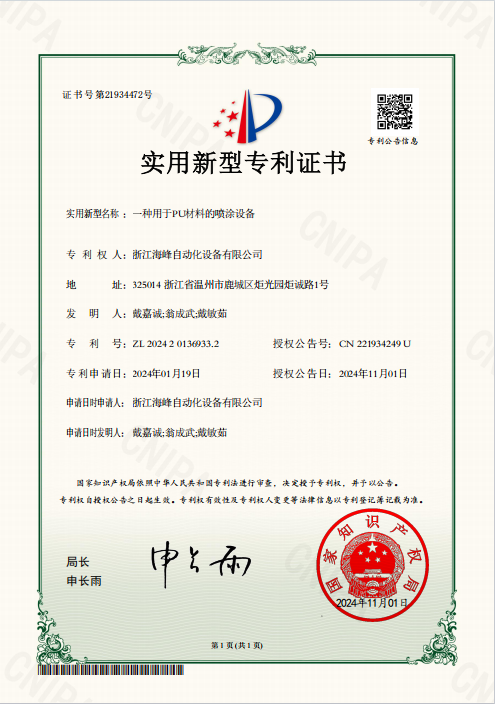
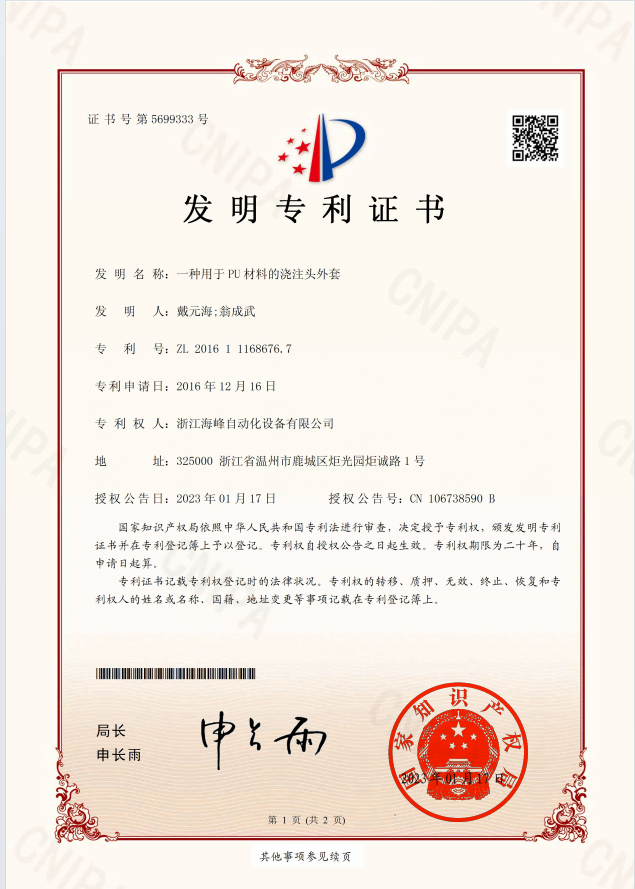
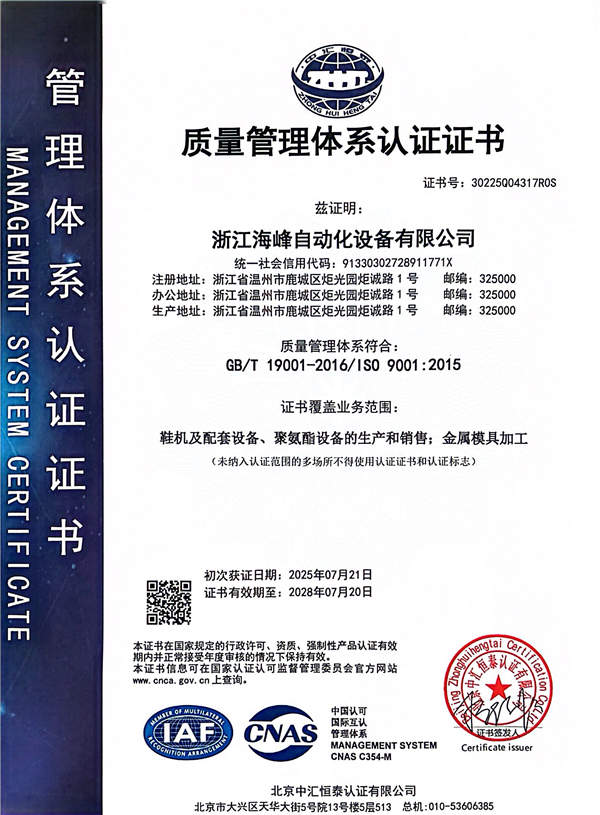
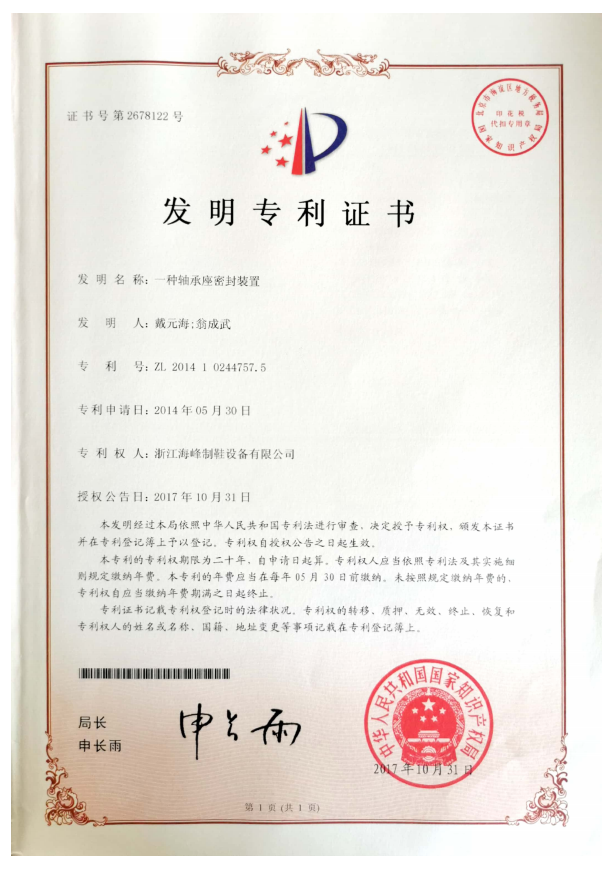
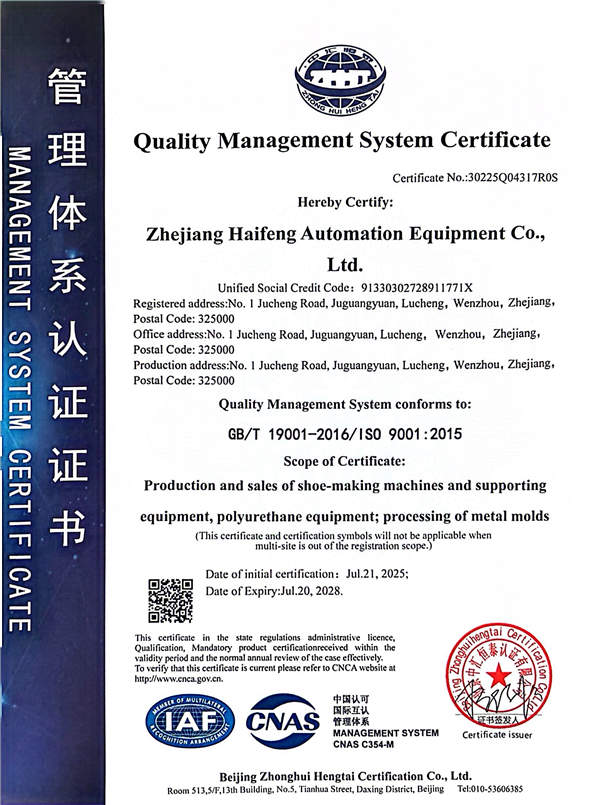
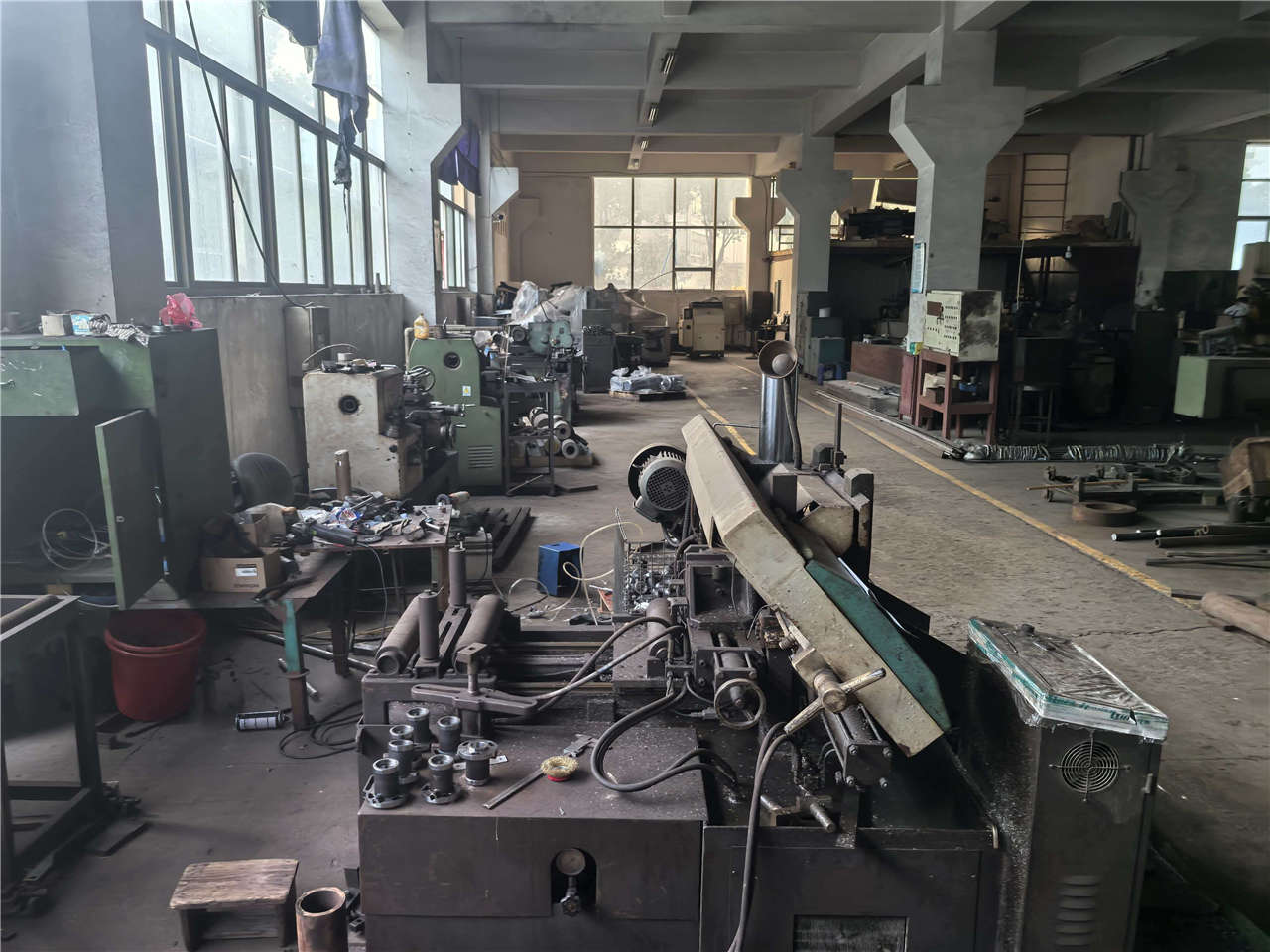
Guided by customer needs, we are committed to providing customers with customized automation solutions and high-quality after-sales services. The company pays attention to quality management and strictly produces and tests in accordance with international standards. We are committed to providing customers with high-quality, reliable automation equipment to help customers improve production efficiency, reduce costs, and succeed in the fiercely competitive market.
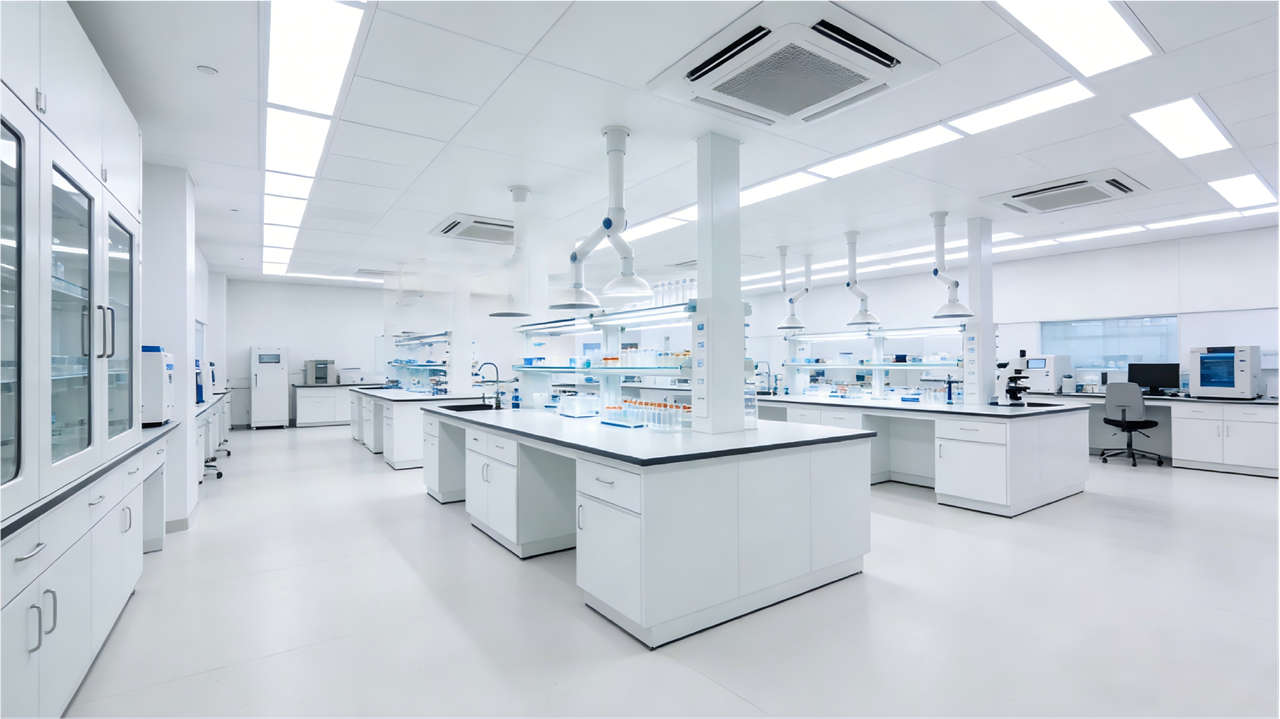
Advanced PU Application & Pilot Center: Bridging Concept to Commercialization
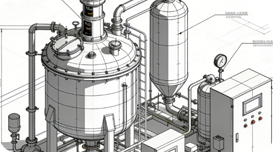
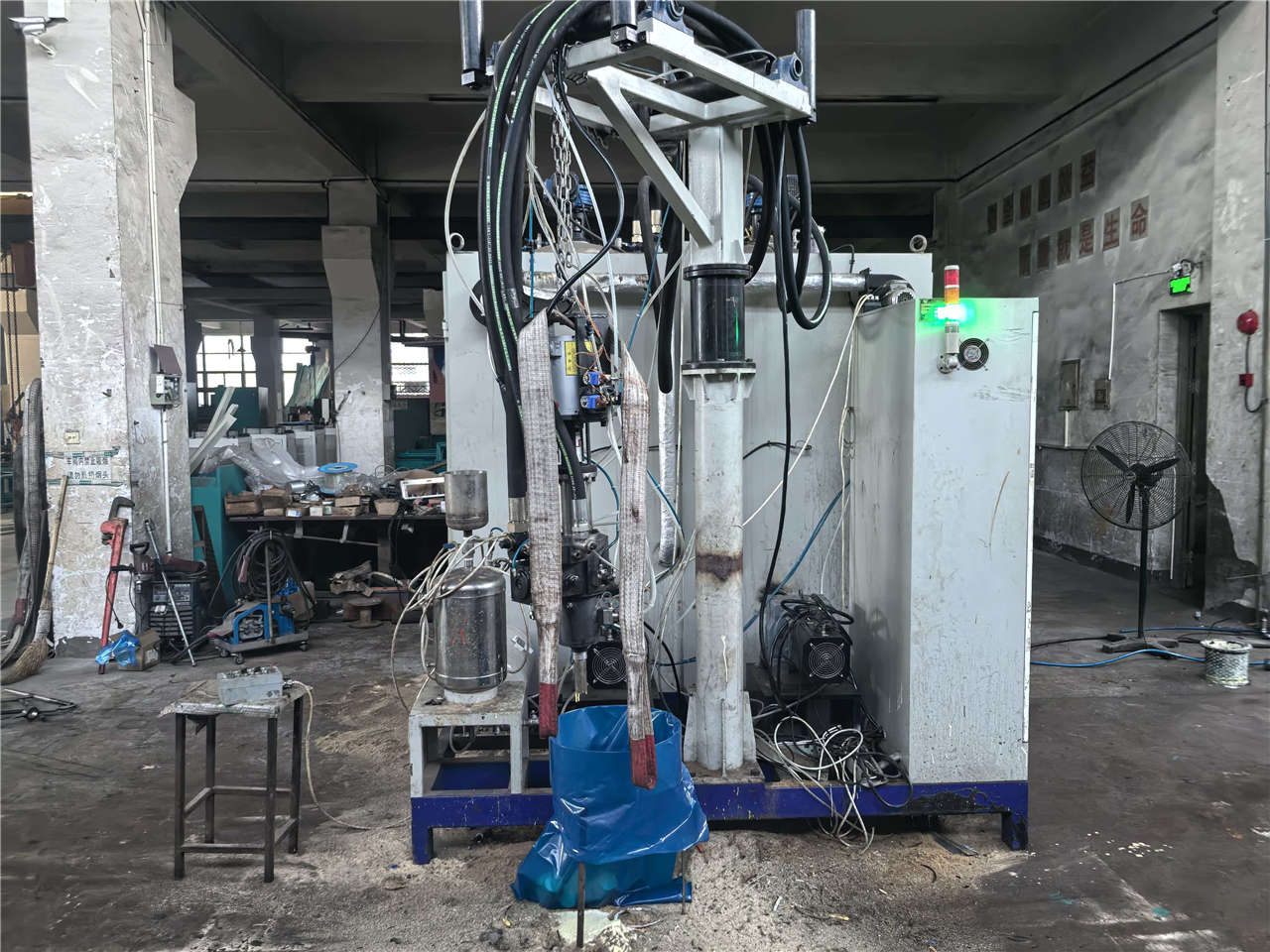
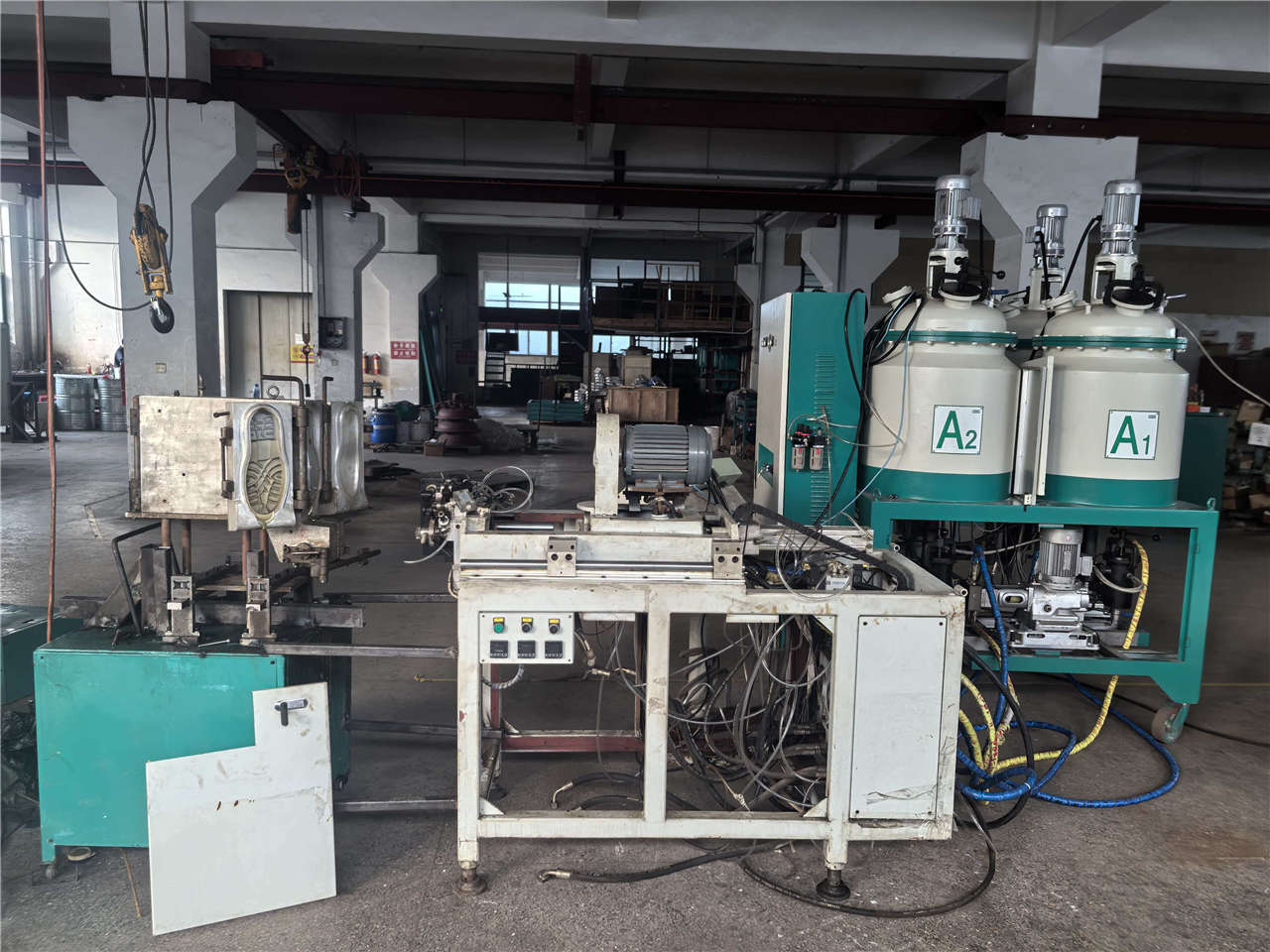
Simulates production environments with high-pressure metering units and foaming lines. Tests raw materials, optimizes ratios, and trials mix heads to turn PU formulas into tangible products without interrupting clients’ production.
Key Objectives Include:
- Accelerate clients’ R&D cycles by enabling pre-production testing.
- Optimize product performance through precise formula and process validation.
- Minimize production risks by ensuring process feasibility before mass manufacturing.
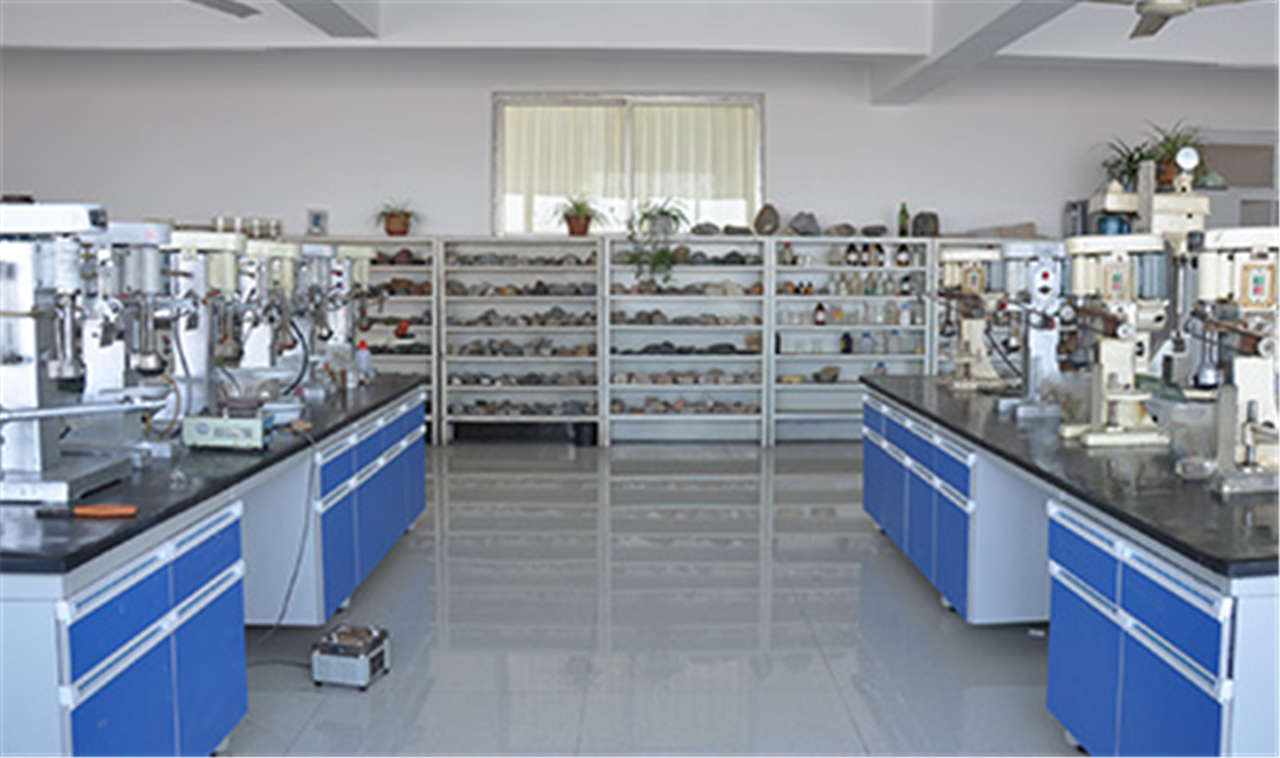
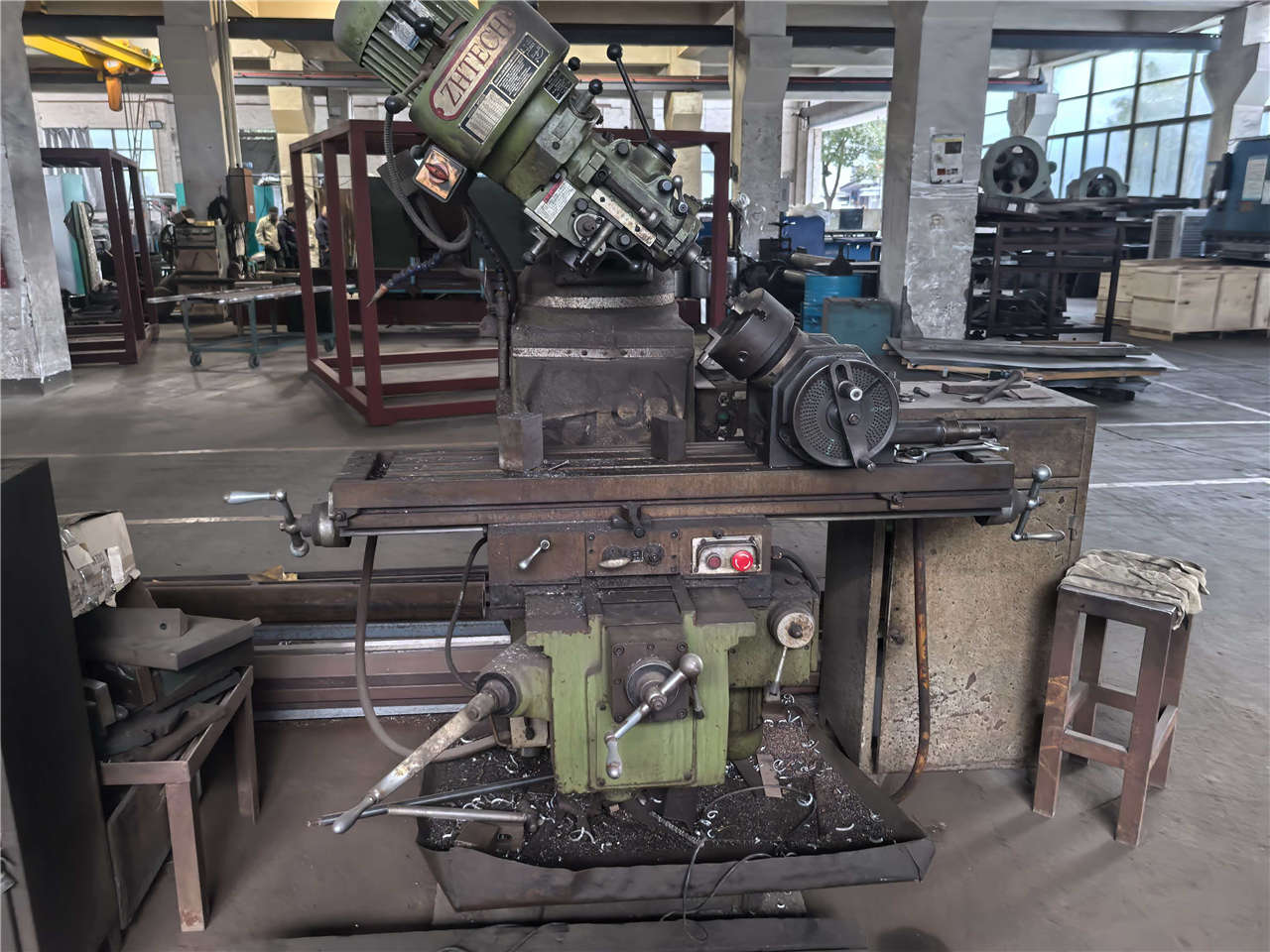
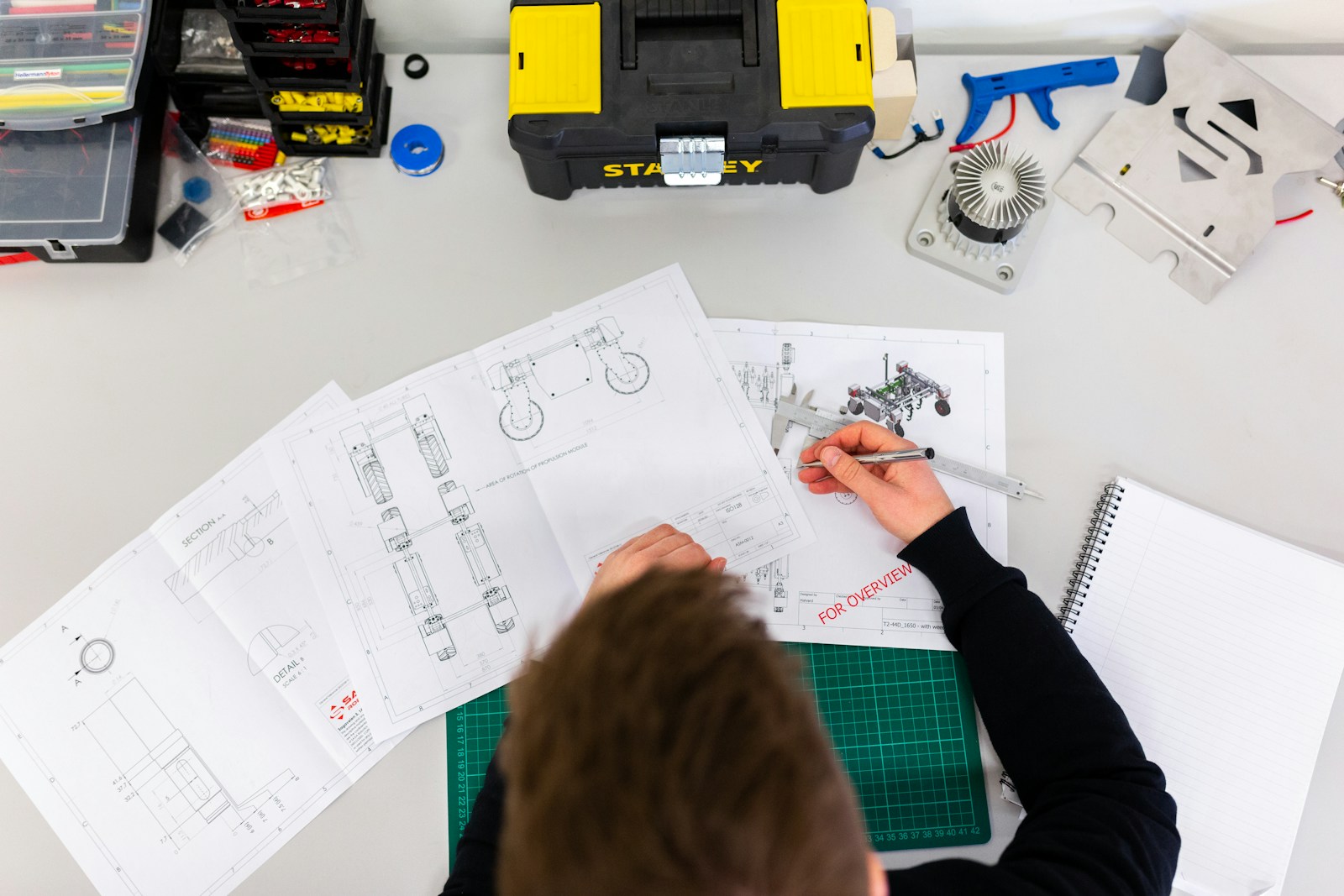
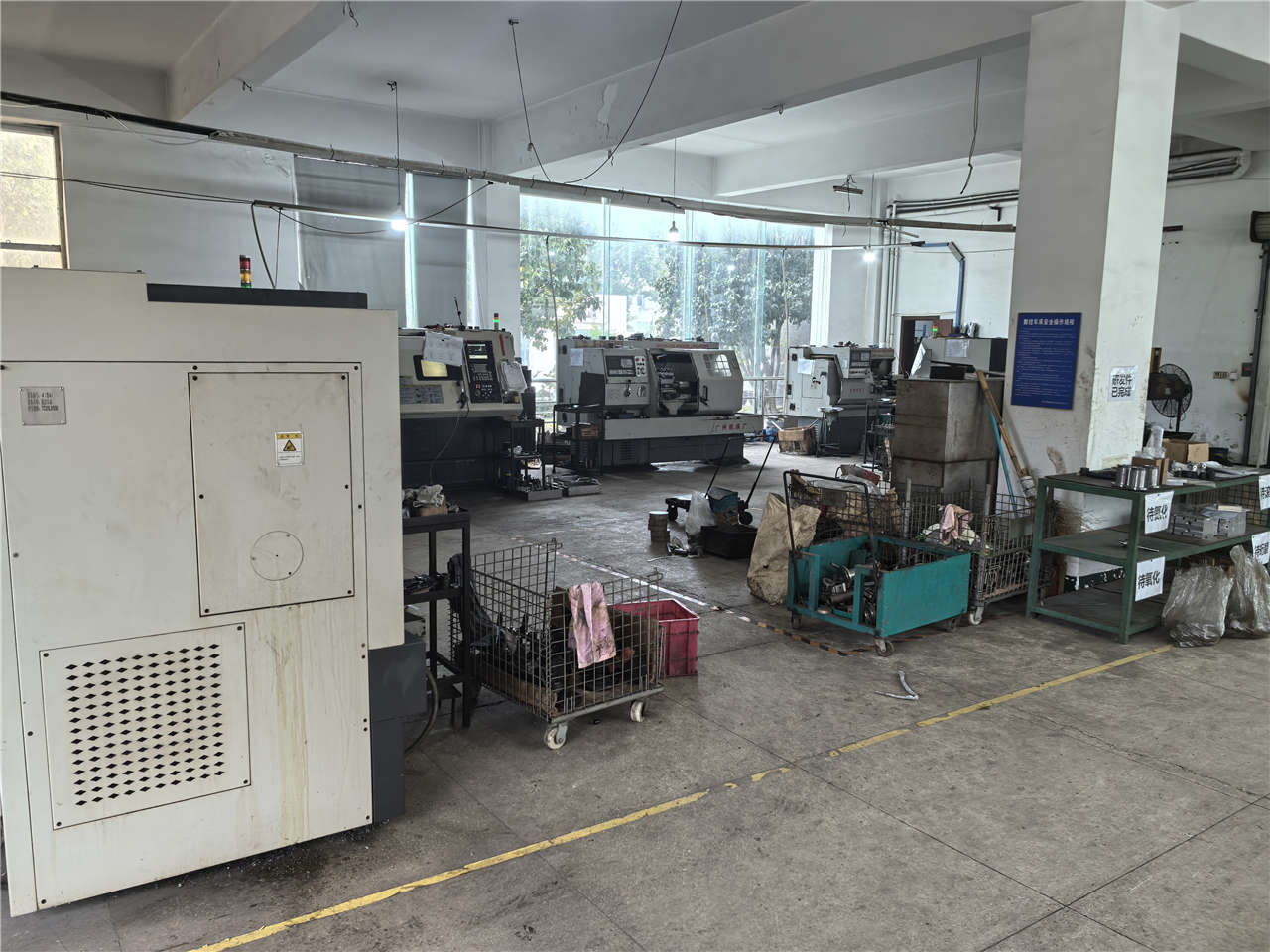
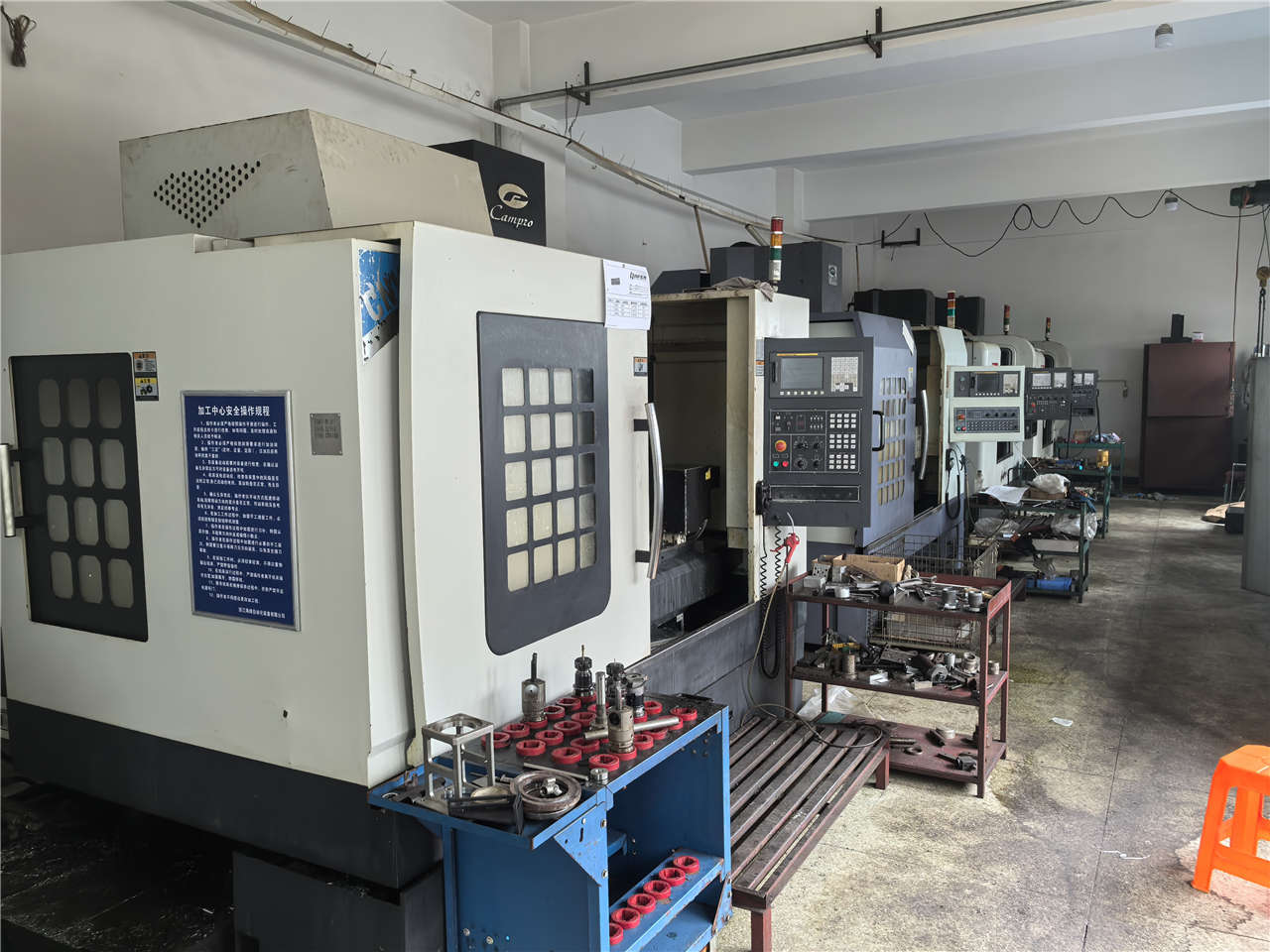
Precision Engineering & Prototyping: Micron-Level Accuracy for PU Equipment
- Deliver high-precision, customized components for optimal equipment performance.
- Shorten lead times for non-standard parts through in-house rapid prototyping.
- Guarantee the reliability and longevity of PU foaming machines under demanding conditions.
INDUSTRY SOLUTIONS
Application field Industry leader
CASE
WHY HaiFeng IS TRUSTED BY GLOBAL PARTNERS?
BLOG
PU Foam Filling Equipment for Industrial Tires
Foam-filled tire systems are increasingly adopted in heavy industries such as mining, ports, and construction due to their ability to eliminate puncture-related downtime. From 2024–2026 deployments, they show significant operational benefits, including 38%–62% reductions in tire downtime, up to 2.3× service life extension, and lower fleet maintenance labor. The technology relies on PU foam filling equipment that mixes reactive polymers and injects them into tires to replace air with a semi-elastic structure. Key system components include metering, mixing, rotation, and control modules. While highly effective in abrasive, low-speed environments, limitations remain in high-speed, extreme cold, and high-heat conditions. Industry trends focus on AI-controlled dosing, modular systems, and greener PU chemistry.
Tire Flat Proofing Liquid Filling Equipment
Tire Flat Proofing Liquid Filling Equipment has become a strategic investment for mining, industrial, and construction fleets seeking to reduce tire-related downtime and improve equipment availability. By injecting polyurethane into pneumatic tires, these systems create puncture-resistant, airless tires that enhance reliability and lower maintenance costs. Modern equipment integrates precise metering, temperature control, high-pressure mixing, automation, remote diagnostics, and digital monitoring to ensure consistent filling quality. While ideal for OTR, forklift, port, and construction equipment, polyurethane filling is less suitable for high-speed highway vehicles. Success depends on accurate processing, operator expertise, and reliable engineering support. (96 words)
OTR Tire Foam Filling Machine Capacity Guide
This article explains that the true capacity of an OTR tire foam filling machine depends not only on polyurethane output rate but also on metering accuracy, foam quality, temperature control, and tire size. It highlights that larger pumps do not always improve productivity, as foam chemistry and reaction stability are critical. The article provides capacity guidelines for underground, surface, and ultra-large mining applications, discusses polyurethane consumption by tire size, and reviews key 2026 trends such as smart ratio monitoring, automated density compensation, remote diagnostics, and integrated production data systems for mining fleet management.
Mining Tire Foam Filling Process Step by Step
Mining tire foam filling is a specialized process that transforms pneumatic tires into puncture-resistant, flat-proof tires for demanding mining environments. This article explains the complete foam filling workflow, from tire inspection and preparation to polyurethane injection, air purging, curing, quality inspection, and field deployment. It highlights why process control is often more important than foam density, outlines common mistakes that shorten tire life, and discusses applications where foam filling may not be suitable. The guide also reviews equipment selection, engineering support requirements, and emerging 2026 technologies such as smart filling systems, digital traceability, and AI-assisted process optimization.
How to Prevent Tire Punctures in Mining
Mining companies seldom ask themselves if tire punctures will happen; the more pressing question is how much production time, labor costs, and equipment availability will be lost when they do.
Best Equipment for Foam Filling Mining Tires
It’s simple math: the cost of production is worse than the costs of replacing mining tires. For haulers, wheel loaders, underground, slag handling, port and quarry, machines, even one tire puncture might price production, in a day of out for high cost mining companies, more than buying a tire.